


 Español
 Portugues
 Pусский
 العربية
 中文




engine carbon removal system
Engine Carbon Removal System An engine carbon removal system is a specialized technology designed to eliminate carbon deposits that accumulate inside internal combustion engines (ICEs) over time. These deposits form due to incomplete combustion, oil degradation, and fuel impurities, leading to reduced engine efficiency, increased emissions, and potential mechanical issues. A carbon removal system helps restore engine performance by cleaning critical components such as fuel injectors, intake valves, pistons, and combustion chambers. How It Works The system typically employs chemical, mechanical, or thermal methods to break down and remove carbon buildup: 1. Chemical Cleaning – A cleaning agent (often a solvent or detergent-based solution) is introduced into the fuel system or directly into the combustion chamber. The chemicals dissolve carbon deposits, which are then expelled through the exhaust. 2. Hydrogen Carbon Cleaning – Some systems use hydrogen gas generated from water electrolysis. When introduced into the intake manifold, hydrogen burns at high temperatures, breaking down carbon deposits without harming engine components. 3. Mechanical Cleaning – In cases of severe buildup, walnut blasting or ultrasonic cleaning may be used to physically remove carbon from intake valves and other parts. 4. Thermal Cleaning – High-temperature treatments can oxidize carbon deposits, turning them into ash that is later expelled. Benefits - Improved Fuel Efficiency – Removing carbon deposits ensures optimal air-fuel mixture and combustion, reducing fuel consumption. - Enhanced Performance – Restores lost power and throttle response by improving airflow and reducing engine knock. - Lower Emissions – Cleaner combustion reduces harmful exhaust pollutants like CO2 and NOx. - Extended Engine Life – Prevents damage caused by carbon buildup, such as stuck piston rings or clogged injectors. Applications Carbon removal systems are used in gasoline and diesel engines, including passenger cars, trucks, and industrial machinery. Regular maintenance with such systems can prevent costly repairs and ensure compliance with emission regulations. Conclusion An engine carbon removal system is an essential maintenance tool for modern combustion engines, ensuring longevity, efficiency, and environmental compliance. By effectively eliminating harmful deposits, it helps maintain peak engine performance while reducing operational costs.
Products
Category:
-
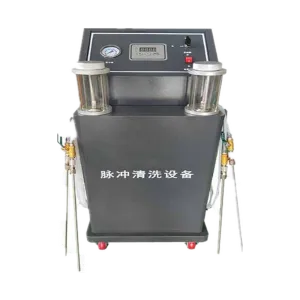
ZC-280 two filter cup pulse carbon removal equipment
Category: Carbon Removal Dynamic Reduction SeriesBrowse number: 1042Number:Release time: 2024-08-13 04:35:58Comprehensive Product Overview: Revolutionizing Engine Carbon Deposit Removal TechnologyThe ZC-280 Two Filter Cups Pulsed Decarbonizer represents a significant technological advancement in automotive engine maintenance, offering professional-grade combustion chamber carbon removal through innovative pulsed fluid dynamics and simultaneous multi-cylinder cleaning capabilities. This sophisticated equipment transforms the traditionally challenging, time-consuming process of decarbonization into a streamlined, efficient procedure that restores engine performance, reduces emissions, and extends engi...
News
Category:
No search results found!
Case
Category:
No search results found!
Video
Category:
No search results found!
Download
Category:
No search results found!
Job
Category:
No search results found!
Featured Products
No search results found!



 WhatsApp
 Phone